How do electrical repairs differ between condos and single-family homes?
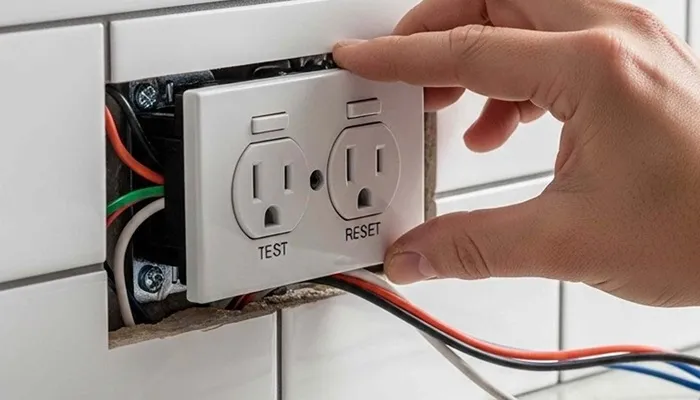
Navigating electrical repairs in multi-unit properties requires a clear understanding of property boundaries and safety regulations. Whether living in a condominium or a single-family home, electrical issues demand specialized expertise to ensure safety and code compliance. Property structures dictate how maintenance tasks are divided, which directly influences repair timelines and documentation protocols.
Property owners must distinguish between personal infrastructure and shared utilities before scheduling service. Professional technicians help clients safely manage their electrical systems while strictly adhering to community guidelines. Our team provides reliable support for complex residential infrastructure, ensuring every project meets the highest standards of safety and regulatory compliance.
Key Takeaways:
- Homeowners own everything from the walls inward, while associations maintain shared infrastructure and main service lines.
- Shared electrical systems require careful diagnostic work and strict coordination to prevent disrupting neighboring power supplies.
- Property manager communication ensures smooth utility shutoffs, proper permitting, and adherence to community covenants.
Who Handles Multi-Unit Electrical Maintenance?
Homeowners bear individual responsibility for the electrical wiring, outlets, switches, and fixtures located entirely within the interior walls of their units. The homeowners association manages the primary utility infrastructure, common area lighting, main distribution panels, and exterior conduits. This division ensures that individual maintenance tasks remain separate from the master electrical grid of the building.
When a component fails inside a condominium unit, the resident must contract a licensed specialist to resolve the issue. If the problem stems from a shared main feeder wire or an exterior meter stack, the association must handle the financial and operational obligations. Residents should review their specific association bylaws to verify exact boundary lines before scheduling comprehensive service.
How Shared Systems Complicate Repairs
Shared electrical systems complicate repairs because modern multi-unit structures route conduits and branch circuits through contiguous wall cavities and shared utility chases. A malfunction in 1 unit can easily originate from an adjacent property or affect the voltage stability of a neighboring circuit. Pinpointing the exact source of an intermittent fault requires advanced diagnostic tools and comprehensive system mapping.
Isolating a circuit for maintenance frequently impacts common areas or neighboring residences. Technicians must perform careful circuit tracing to verify that work on a single unit does not accidentally interrupt critical shared services like hallway illumination, fire alarms, or security infrastructure. This interdependent design turns simple tasks into complex diagnostic operations that demand experienced management.
Why Panel Access Differs Between Homes
Panel access differs in multi-unit buildings due to strict architectural layouts, security protocols, and commercial code requirements. Single-family homes feature centralized breaker panels inside a basement, garage, or utility closet for immediate homeowner access. Multi-unit complexes often place main disconnect switches and master meters in locked basement rooms or exterior enclosures reserved exclusively for authorized personnel.
Restricted access protects the broader building population from accidental power interruptions or unauthorized system tampering. When a major circuit breaker trips at the main distribution point, a resident cannot simply walk downstairs to reset the switch. Technicians must coordinate directly with building personnel to unlock these secured environments before performing a mandatory home electrical service upgrade or panel safety inspection.
What Upgrades Require Association Approvals?
Heavy electrical installations require formal association approval because they modify the building envelope or alter the total calculated power demand of the shared property. Adding a high-draw appliance can exceed the designated capacity of an older multi-family structure. Property owners must submit formal engineering requests before installing an EV charger or a dedicated hot tub circuit.
Associations enforce these strict review processes to protect the collective infrastructure from overloading and to maintain uniform aesthetic standards across the exterior property. Unapproved modifications can violate local building codes, invalidate master insurance policies, or trigger expensive fines from the board. Working with an experienced contractor guarantees that all project plans include the precise load calculations required for swift board approval.
How Electricians Work With Managers
Licensed technicians coordinate directly with property managers by submitting proof of insurance, securing structural permits, and scheduling necessary utility interruptions well in advance. Clear communication ensures that building staff can notify neighboring residents before any planned power outages occur. This professional transparency minimizes community disruptions and keeps the entire project compliant with municipal rules.
Harrison Electric Inc. provides expert electrical troubleshooting and comprehensive code corrections for multi-family communities across the Twin Cities Metro Area. Our team manages the logistics, structural documentation, and management communications required for complex residential properties in Minneapolis, MN. We ensure that every interior upgrade complies perfectly with your specific association guidelines and local safety standards.
Frequently Asked Questions
Can a condo owner replace an electrical panel without notifying the association?
No, condo owners cannot replace an electrical panel without notifying the association because the panel connects directly to the building’s shared feeder lines and main electrical grid. Upgrading or replacing this equipment alters the building’s calculated electrical load and requires a coordinated power shutdown that affects other units. The association must review the contractor’s credentials and project plans to ensure safety and building code compliance.
Who is financially responsible if a shared wall conduit damages my interior wiring?
Financial responsibility depends on the exact boundary lines outlined in your association’s master declaration documents. Generally, if the damage originates from a failure in a common element or shared utility infrastructure, the association covers the repair costs for the main system. However, the individual homeowner may still be responsible for the interior wiring extensions and cosmetic wall repairs inside their specific unit.
Why do multi-unit buildings ban personal standby generator installations?
Multi-unit buildings ban personal standby generators due to severe space constraints, exhaust ventilation hazards, and complex wiring architectures. Standard single-family homes possess dedicated yard space for safe exhaust clearance, whereas multi-family units share walls, balconies, and rooftops. Improperly connecting a portable or standby generator to a shared electrical grid can cause dangerous backfeeding, which threatens the safety of utility workers and neighbors.
Get Professional Electrical Assistance Today
We understand the unique operational challenges of maintaining electrical systems in managed multi-family communities. Our experienced technicians possess the specialized training required to safely navigate shared utilities, execute precision diagnostics, and deliver code-compliant upgrades. We handle everything from minor interior circuit repairs to complex panel modernization projects while respecting your property’s guidelines. Contact Harrison Electric Inc. at (763) 544-3300, or visit our office at 3440 Kilmer Ln N, Minneapolis, MN 55441 to schedule an expert evaluation. You can also reach out through our online portal to contact us and secure your service appointment today.