Installations & Upgrades | Minneapolis, MN
What does hot tub electrical wiring require?
Installing a hot tub requires a dedicated electrical circuit, GFCI protection, and a permit. Harrison Electric handles the full electrical installation so your hot tub is code-compliant and ready to use safely.
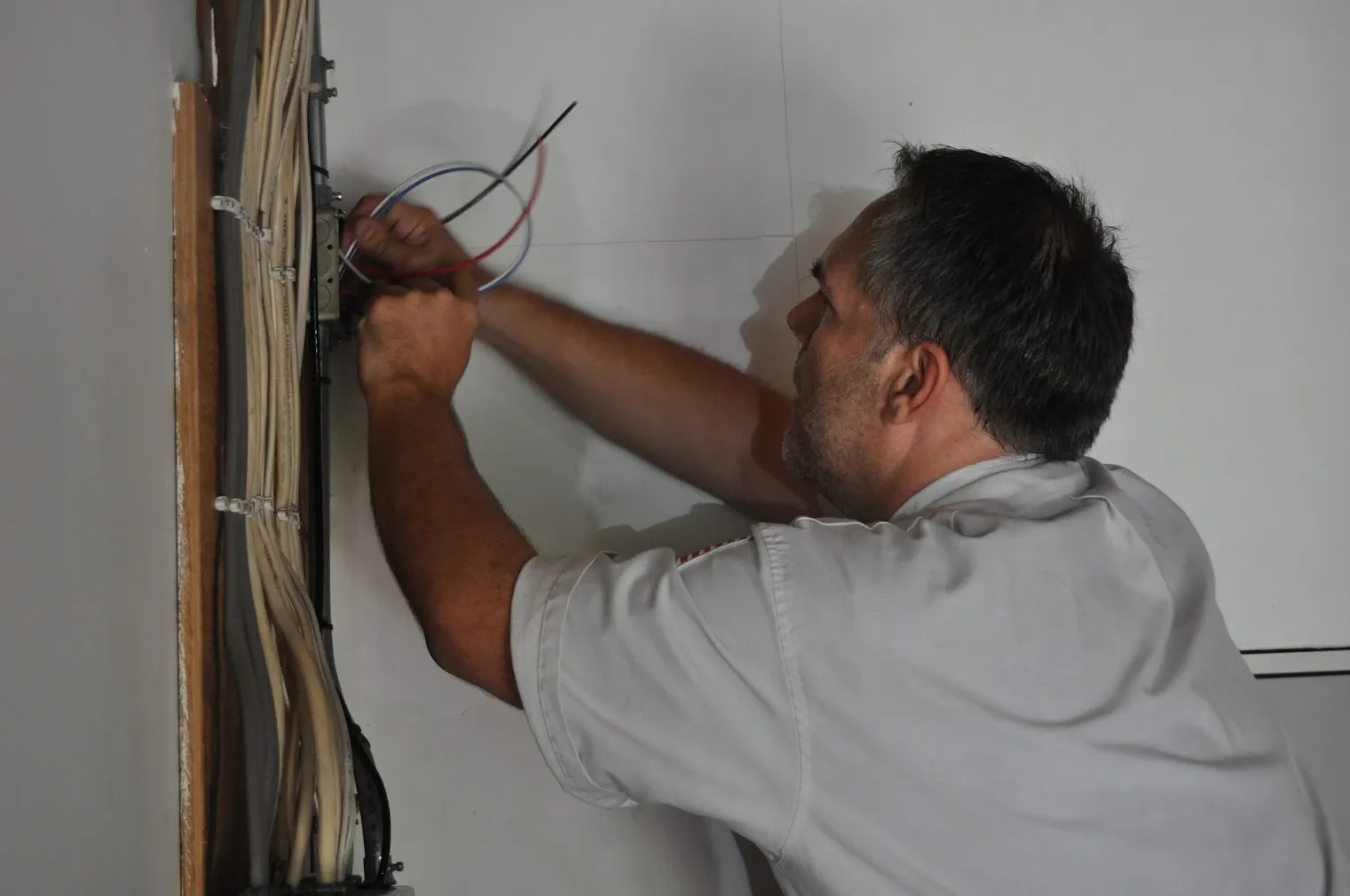
Why hot tub wiring is not a DIY project
Hot tub electrical work sits at the intersection of electricity and water — the most dangerous combination in residential electrical work. The National Electrical Code Article 680 sets specific requirements for hot tub wiring that go beyond standard household circuits: dedicated 240V circuits, GFCI protection, equipotential bonding, proper disconnect placement, and minimum clearance distances from the tub itself.
Getting any of these wrong doesn't just create a code violation — it creates an electrocution risk. In Minnesota, this work must be performed by a licensed electrician and requires a permit and inspection before the tub can be used.
Plug-and-play vs. hard-wired hot tubs
Some smaller hot tubs use 120V power and plug into a standard GFCI outlet — no dedicated circuit required. These are convenient but limited. They heat more slowly, run fewer jets simultaneously, and are generally less capable than hard-wired 240V tubs.
If you have or are purchasing a plug-and-play tub, Harrison Electric can verify that a suitable outdoor GFCI outlet exists or install one if needed. If you have a hard-wired tub, the full installation process above applies.
What most hot tubs require
Most permanent hot tubs require:
- A dedicated 240V circuit — typically 50 to 60 amps depending on the tub's specifications
- A GFCI breaker — either at the main panel or in a disconnect panel near the tub
- A disconnect switch installed within sight of the tub, at least 5 feet from the water's edge
- Copper wiring sized for the circuit — 6 AWG for 50-amp circuits, 4 AWG for 60-amp circuits
- Equipotential bonding to the tub's metal components
- Underground conduit run from the panel to the tub location, buried to Minnesota code depths
Harrison Electric evaluates your panel capacity, designs the circuit for your specific tub's requirements, and installs everything to code. Your technician confirms the specifications from your tub's manual before any work begins.
Frequently Asked Questions About Hot Tub Electrical Wiring
Questions homeowners ask before booking hot tub electrical wiring in Minneapolis and the Twin Cities.
Do I need a permit to wire a hot tub?
- Yes. Permanent hot tub electrical installations require a permit and inspection in Minnesota. Harrison Electric handles the permit process as part of every hot tub wiring installation. The inspection must be completed before the tub is used.
Can my existing panel handle a hot tub?
- It depends on your panel's current capacity and what else is drawing power from it. Harrison Electric evaluates your panel as part of the estimate. If your panel doesn't have room for the new circuit, a panel upgrade may be needed first.
What is equipotential bonding and why does it matter?
- Bonding connects the metal components of the hot tub to a common ground, eliminating voltage differences between metal parts near the water. Without bonding, a voltage difference between the tub's metal shell and the water can cause a dangerous shock hazard. It is a required component of every hot tub installation under NEC Article 680.
What to Expect on Every Harrison Electric Visit
Every visit follows the same process - from the moment your technician arrives to the moment they leave.
- 1
Tell Us What's Going On
Describe what you're experiencing - sounds, smells, flickering lights, tripped breakers, anything that seems off. The more detail you share, the faster we can find the source.
- 2
We Evaluate Your Entire System
Your technician performs a safety evaluation of your full electrical system - not just the problem you called about. We look for issues you may not know exist.
- 3
We Share What We Find
Before any work begins, your technician walks you through the findings. No surprises, no jargon - just a clear explanation of what's going on and what your options are.
- 4
You See Your Options and Pricing Upfront
Every option is presented with StraightForward Pricing before any work begins. You know exactly what each solution costs before you decide anything.
- 5
You Decide What Happens Next
Nothing gets started until you say so. You choose the option that works for your home and your budget. There is no pressure.
- 6
We Get to Work
Your technician completes the work to Harrison Electric's standards - and cleans up before leaving. We treat your home the way we'd treat our own.
- 7
Our Work Is Guaranteed
Every repair is backed by Harrison Electric's satisfaction guarantee and lifetime warranty on covered work. If something isn't right, we make it right.
- 8
We Handle the Paperwork
Your technician completes all documentation before leaving. You receive a full record of the work performed and any recommendations for follow-up.
Why Twin Cities Homeowners Choose Harrison Electric
In Business Since 1985
Family-owned and operated for 40 years. We built this business on doing things the right way - and that's still how we run it today.
StraightForward Pricing
All options and costs presented before any work begins. You approve everything first. No surprises on the final invoice.
Warehouse on Wheels
Our trucks are stocked with parts for most common residential repairs. No waiting for parts. No repeat appointments.
Lifetime Warranty on Repairs
Work covered by a lifetime warranty. If something goes wrong with a covered repair, we come back at no charge.
Local Technicians You Can Trust
Our technicians are licensed by the state of Minnesota, background checked, and held to the highest standards on every job. Your home and family are in good hands.
4.8 Stars on Google
Hundreds of verified reviews from real customers across the Twin Cities. Read what your neighbors are saying.